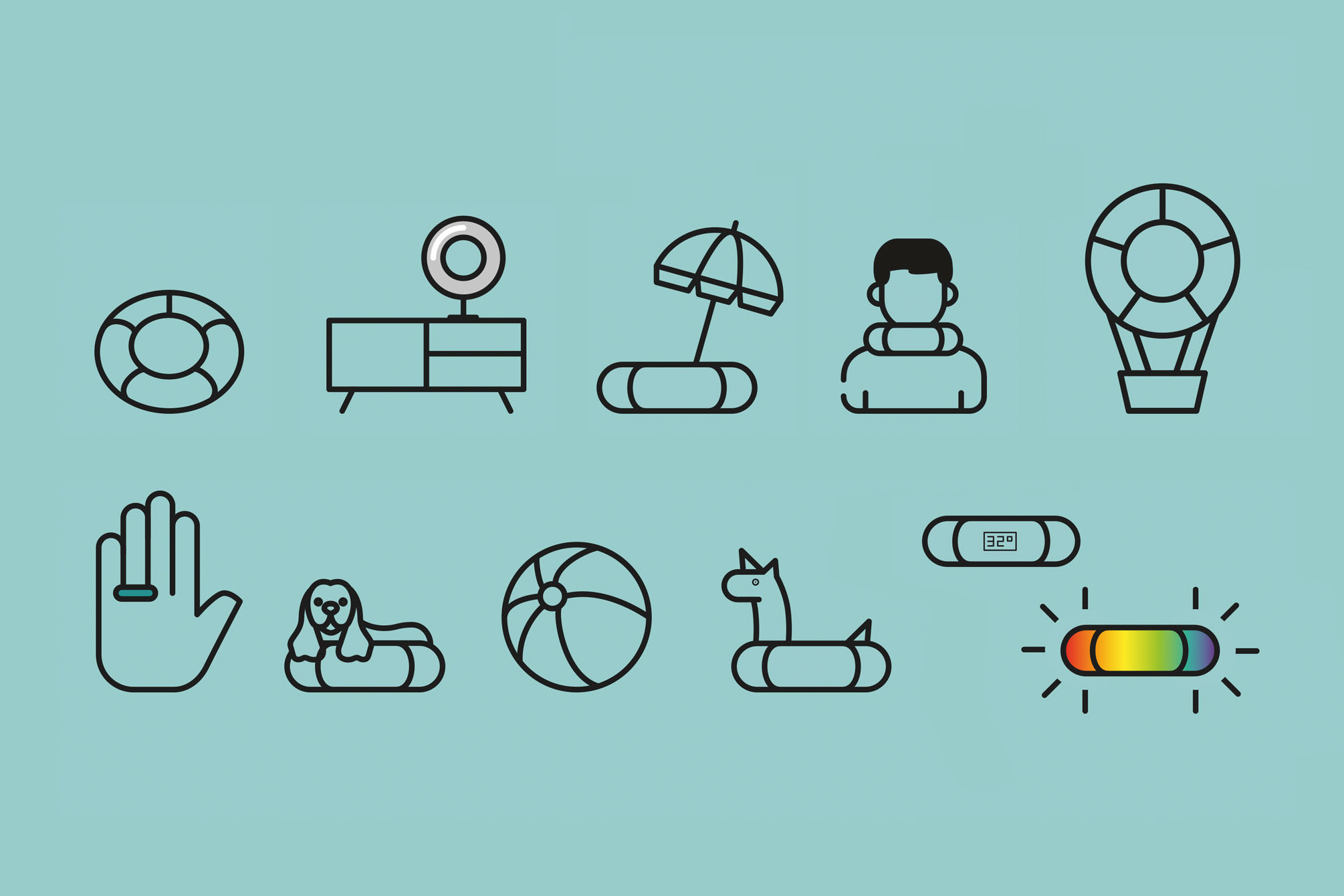
Is creativity an innate ability? Can it be learned, unlocked, strengthened or further developed? Are there practices and ways of working that foster creative thinking? The answer is yes — on all counts. Creative practice, the generation of ideas for innovation, whether for new products or for original improvements to existing processes, has become an essential challenge across many fields. For those working in the creative professions, however, it is more than a valuable skill — it forms the very foundation of their practice. Moreover, creativity is widely regarded as one of the core Future Skills, alongside problem-solving, entrepreneurial thinking and initiative, adaptability, and resilience (see Stifterverband / McKinsey, 2019). In my courses, I introduce students to a wide range of creativity techniques. These include foundational methods such as brainstorming, mind mapping and various visualization approaches, as well as combinatorial techniques such as S.C.A.M.P.E.R. + X. SCAMPER is an acronym: S stands for Substitute, C for Combine, A for Adapt, M for Modify, P for Put to other uses, E for Eliminate, R for Rearrange—and X… I’ll come back to that later. Mithilfe einer Reihe von öffnenden Fragen können Ideen, die im brainstorming entwickelt worden sind, verwandelt, verfielfältigt und innoviert werden. Denn viele Ideen erhöhen die Chance, DIE Idee zu entwickeln, die umsetzbar, finanzierbar, annehmbar, nützlich, wirklich innovativ ist – all die Kriterien erfüllt, die im jeweiligen Projekt eine Rolle spielen. And this is how S.C.A.M.P.E.R. + X works Imagine the idea to be developed is: a turquoise inflatable plastic swim ring. The S in SCAMPER stands for Substitute. The guiding questions are: What could be replaced? What could be used instead? What alternative material might be suitable? By substituting the plastic with stainless steel, the swim ring is transformed into a sculpture. C stands for Combine. What can be combined? Which additional functions are possible? Which purposes can be merged? A swim ring combined with a sunshade. A stands for Adapt. What other ideas does the object suggest? Is there something similar that could be applied to the existing task? Can the object be adapted for a different use or benefit? A scarf, a seat cushion. M stands for Modify. What changes can be made? Can its meaning be altered, or its colour changed? Can the idea be enlarged or reduced? Into a hot-air balloon or a finger ring? P stands for Put to other uses. What else could the product be used for in its current state? How might it be used if it were modified? As a dog bed? E stands for Eliminate. What could be removed? What is the object’s essential minimum? Without what would it still function? Without an opening, the swim ring becomes a ball. R stands for Rearrange. What other patterns could also work? What changes can be introduced? What can be swapped, added, or reorganized? The swim ring becomes a floating unicorn. X stands for digitize. How can the idea be brought into the 21st century using technology? A sensor could measure the water temperature, or smart materials could visualize the user’s emotional state. ResultLooking at the outcome, we can see that applying these generative questions has produced ten additional ideas from a single starting point. This demonstrates the potential to significantly increase the quantity of ideas — and thereby the likelihood of developing something truly suitable. Sometimes a question may not seem to fit — and that is perfectly fine. SCAMPER is not about completeness; rather, it is about stimulating thinking and setting a process in motion. Once the process is complete, the results can be reflected upon and further developed through additional questions. In addition, after an intensive input phase, engaging in routine tasks or physical movement — such as going for a walk — can act as a powerful catalyst for creativity. Often, we find what we are looking for precisely when we are not searching for it. Universities: RMIT, Vietnam / HTW, BerlinJahr: 2016 – 2020
Supporting women in transition
Becoming visible is a process that goes far beyond the question of the right color or shape. Becoming visible is about focusing and committing, putting ideas into words, defining values, allowing yourself to have visions. This can be challenging, especially when the result is to be the basis for professional success. I accompany such processes with empathy and tact, support in gaining clarity and being proud of what is. Katrin Neiss, Neiss CoachingContribution: Positioning, (re)branding, design Kornelia Wulf, Souls OfficeContribution: Branding, design Anne Lücking Mewald, Art therapy & painting classesContribution: Positioning, photography, design Christiane Kiegeland, beziehungsweisenContribution: Positioning, branding explore.define.grow, personal development for womenContribution: Positioning, course design, design, photography Year: 2019 – 2020, Berlin
Teaching: Design that matters 2
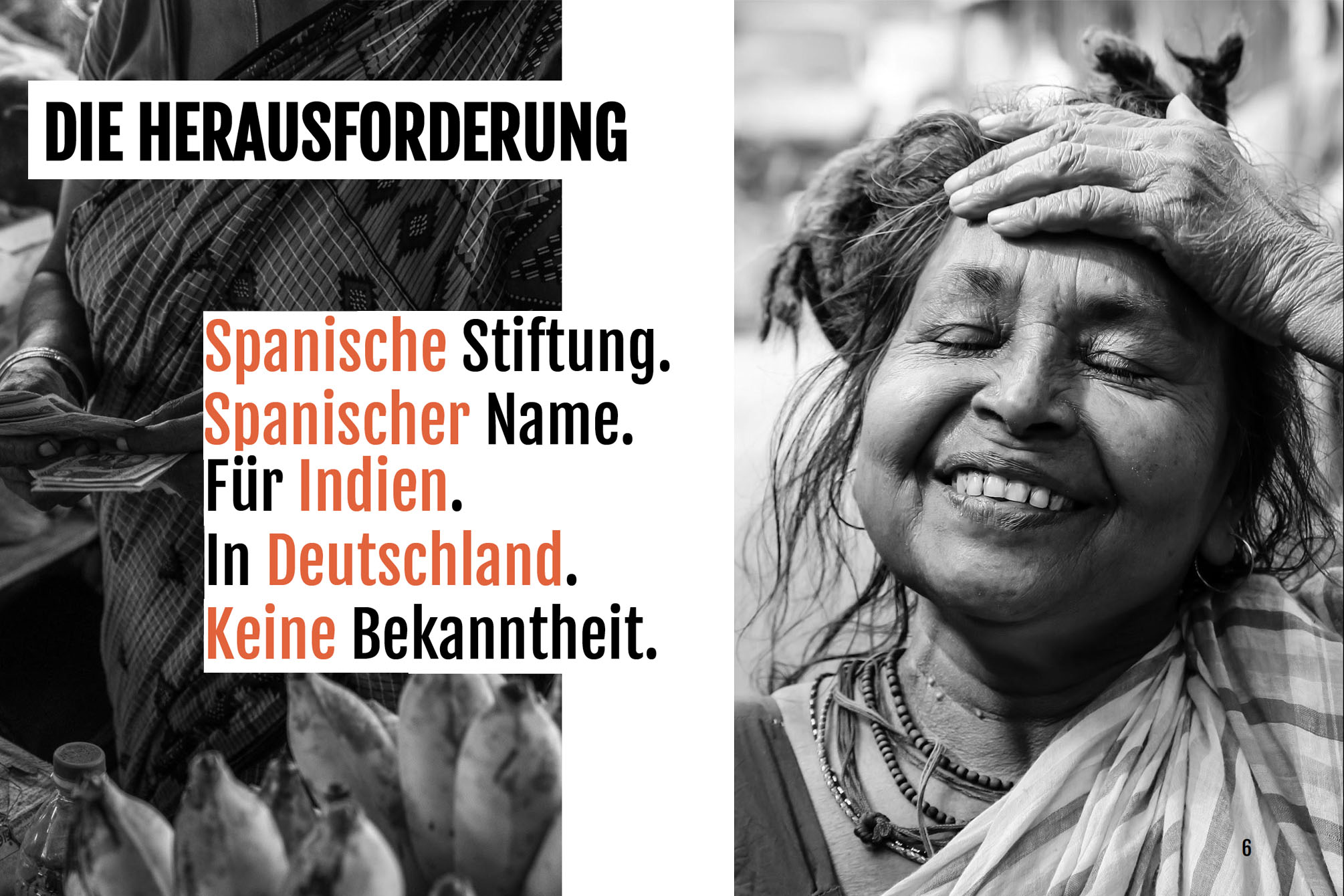
A Spanish foundation has been working successfully in rural regions of India for many years and is coming to Germany to generate donations here as well, in general and more specifically among a young target group. How can this work? In the summer semester of 2019, students from the master’s program in business communication supported Andrea Rudolph, executive director of the “Vicente Ferrer Foundation,” in this real world challenge. They developed strong, communication concepts and implemented them prototypically. Please find two excellent projects here. Share + Fair = Shair Excerpt from the concept: “We want to create Moments of Relevance by integrating the action of donating into the living environment of the target group. Young people should be picked up where they hang out, which is why we decided to get in touch with them on their smartphones, which they always have with them, and develop a donation app – which we call shair.” Students: Linda Rosendräger, Luisa Sabrowski, Maximilian Tassi Letters for Women Excerpt from the concept: “With #lettersforwomen, we give the target group the opportunity to quite simply and literally set a sign for female empowerment, equal rights, as well as independence. We are creating a platform where donors can buy letters and use them to generate donations using a gamification approach.” Every letter makes a difference, ..male Empowerment becomes FEmale Empowerment, ..dependence becomes INdependence and ..men Empowerment becomes WOmen Empowerment – every letter gives an Indian woman a voice! Students: Katja Galitschew, Plamena Maleva and Shirin Yazgan Course: Media conceptContribution: Course design, teachingProgram: Master of Business communicationUniversity: HTW, BerlinYear: 2019
Print is not dead
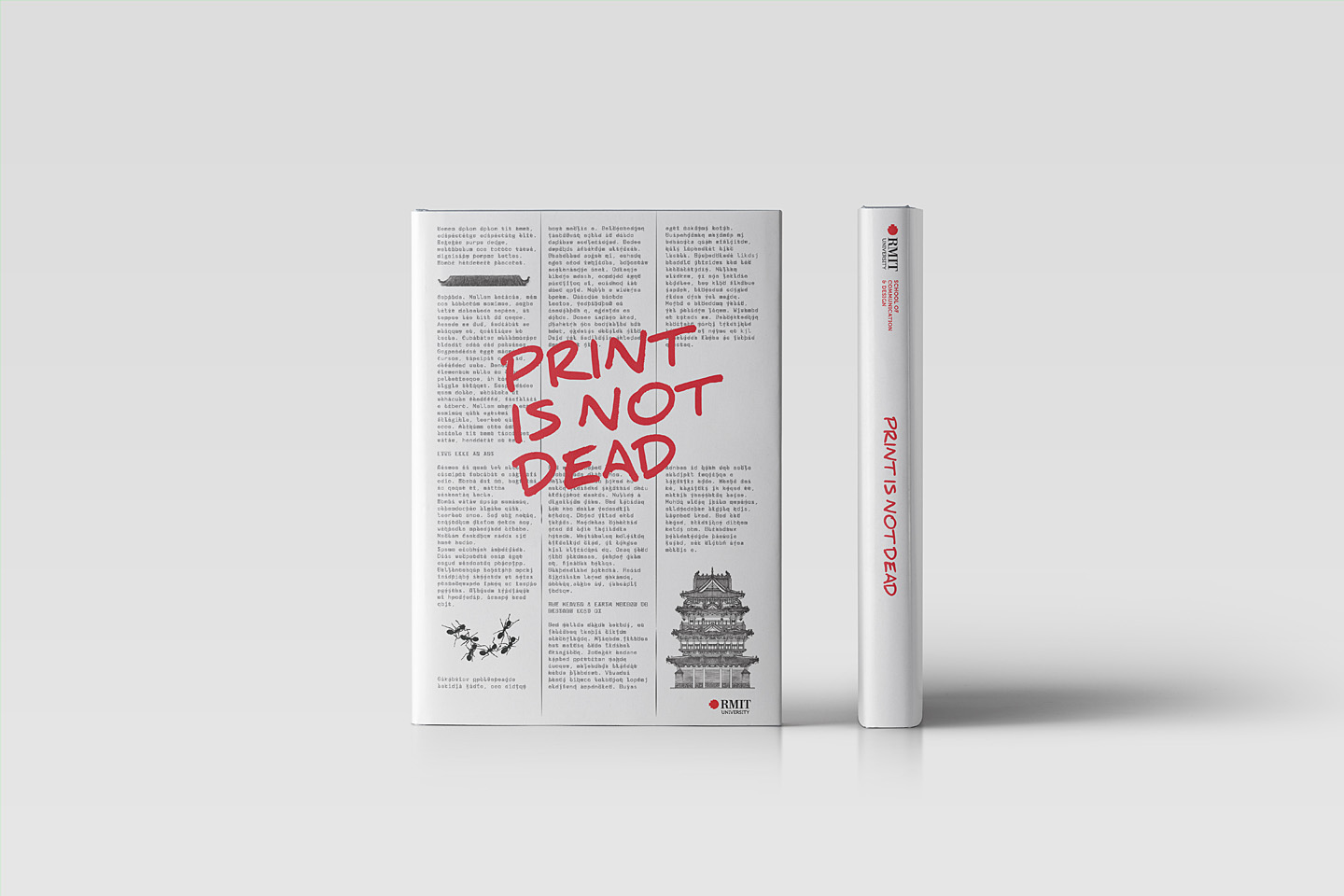
After conducting my publication design course twice at RMIT Vietnam, I decided to initiate a publication on book design, more specifically, a presentation of students’ works from 2017 and 2018 to consolidate the idea of: “Print is not dead”. The book – supported by the School of Communication & Design and the Beanland Library, Saigon South Campus – has been published in March 2019. “I used to leave books in my motorbike trunk. But now, since I partly understand how much love writers and designers put into, I hold, open and read them with all my respect. Gaining knowledge in a course is its obvious goal. But changing attitudes towards things around is definitely not something many courses can achieve.”Nguyen Ha Giang, student & book award winner 2018 Project: Publication “Print is not dead”Contribution: Editor, author, concept & creative directionUniversity: School of Communication & Design, RMIT VietnamYear: 2019 (ISBN: 978-1-922016-48-5)
Teaching: Design that Matters 1
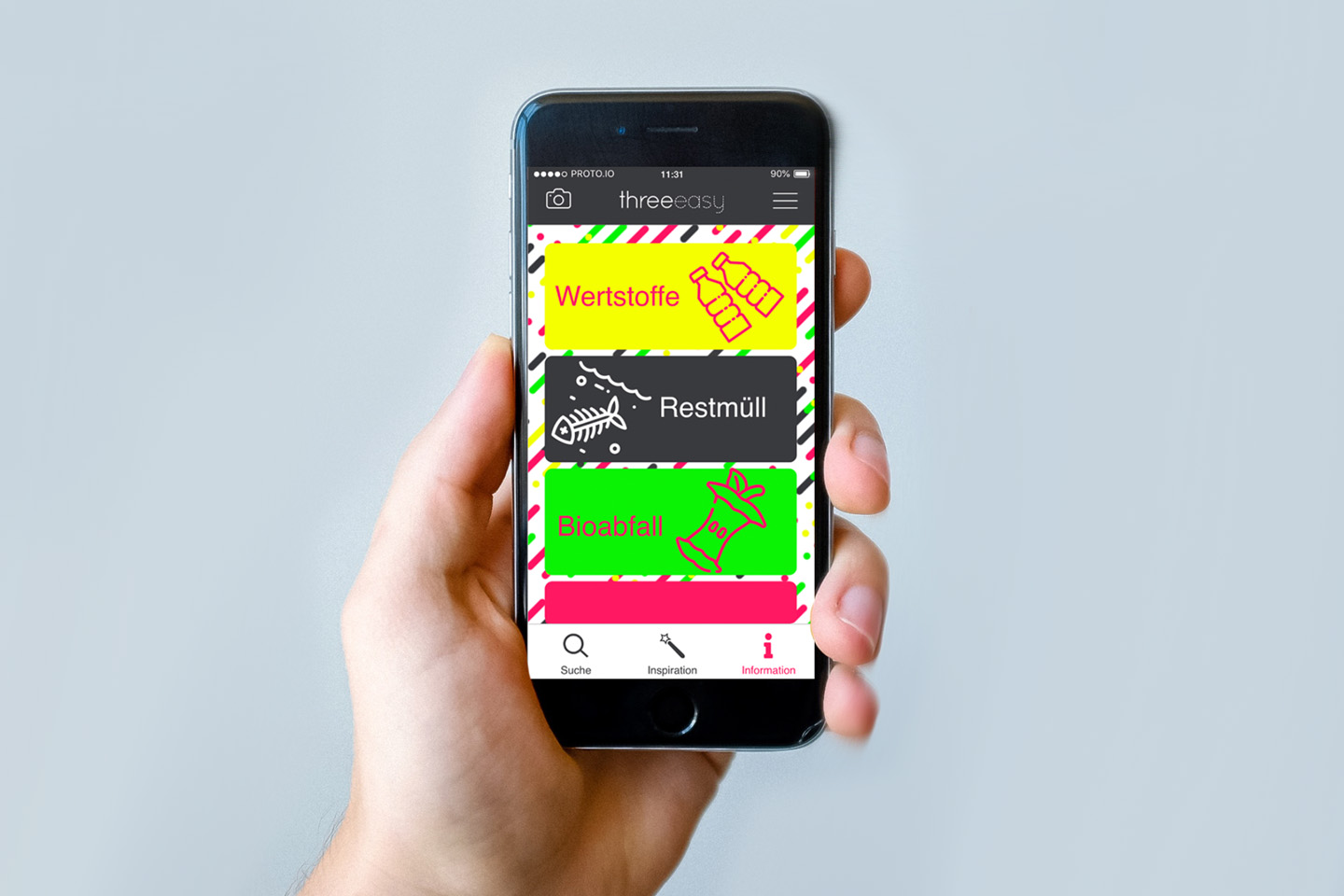
Design that Matters – that was the title of a course I held in the Masters Program of Business Communication at the University of Applied Sciences, Berlin. With Design Thinking techniques we focussed on finding innovative answers to questions raised by current social issues. Topics or questions the students wanted to address were for example: to reduce the amount of plastic rubbish or how to help people to recycle their plastic correctly, the “Kita Krise” in Berlin or how we can fight loneliness and anonymity in major German cities, not just for the elder. Even though the topics themselves were not new, the students were able to find new solutions through empathising, a strong focus on the persona’s needs and the use of different brainstorming techniques. threeeasy – recycling made easy… The initial question of the group of students was: … Through intense fieldwork and letting their interview partners document their trash situation with photos, they found out, that … threeeasy’s three brand values: encouraging, eco-friendly and easy The SOLUTION for small households: threeeasy – the three-piece garbage bag and an App that helps you sort your stuff(students from left to right: Lena Lülfing, Jonas Hilkert, Carolin Oberst) Visualising research data and findings was an essential part of the development process, as well as prototyping and creating mood boards. Student feedback:“The course was very dynamic and we were able to do a lot of creative work independently in our groups. I also found the lectures on design thinking and „good design“ very interesting and enlightening.” Course: Design concept, Design ThinkingContribution: course design, teachingProgram: Master of Business CommunicationUniversity: HTW, BerlinYear: 2019
Signs of Saigon
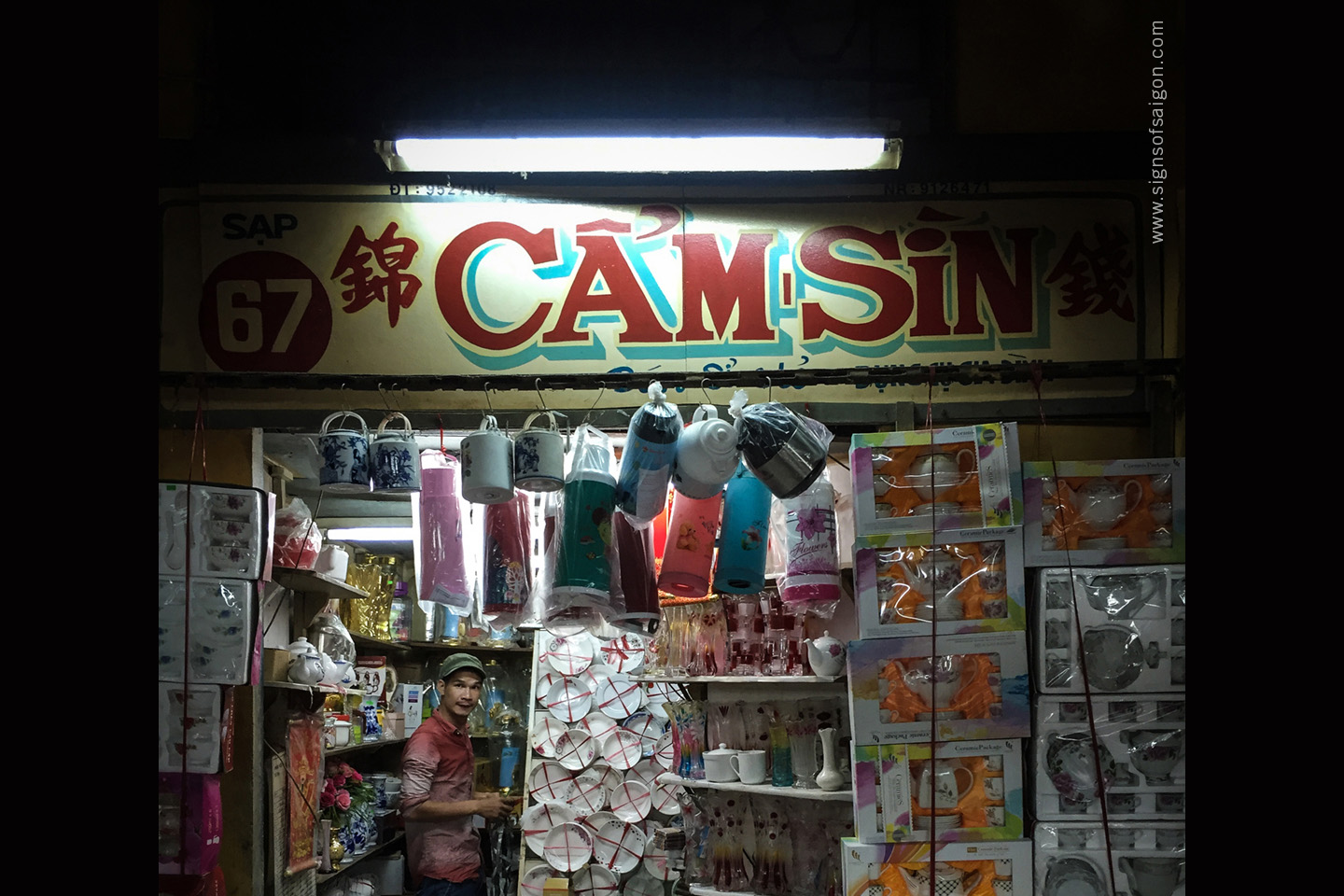
Signs of Saigon is documenting and investigating on urban typography in Saigon and beyond. When working at RMIT Vietnam, Saigon South Campus, I had the chance to turn my passion into an academic research project, focussing on the „visual identity of the city“. Visit the project website: signsofsaigon.com Hand painted signs are an important part in the development of our visual culture, but almost extinct in European city centres. They are on the list of endangered species in many countries around the world, replaced by digitally manufactured and often globally standardised signs. This also applies to Vietnam and even more to it’s economic power center Ho Chi Minh City – former Saigon. I want to take you on a journey to your own history and Saigons’ in particular. I have identified a unique cultural treasure and have documented local handwriting and hand painted signs on the streets of Vietnam, Saigon – but also in local markets outside the beaten track of tourism or romantic Indochine pictures. With my careful approach of these everyday signs, I want to reveal their artistic power and beauty. Within my research project I investigated on their style, identifying the Graphic DNA that unites them. And my academic approach takes you even further. I am honouring these pieces of art and cultural heritage by paying a visit to the unknown artists in their late years. My discussions and findings preserve a part of the beauty of Vietnam that is vanishing on a daily basis. This picture was taken at Bình Tây Market, Chợ Lớn, District 6 in Saigon, Vietnam on November 10, 2016, a few days before the market closed for renovation. The signage no longer exists today. Project: Signs of Saigon, documenting and investigating on urban typographyContribution: Field trips, photography, interviews, literature researchYears: 2016 – ongoingPartially funded by RMIT Vietnam, Saigon South Campus
Teaching: Publication Design
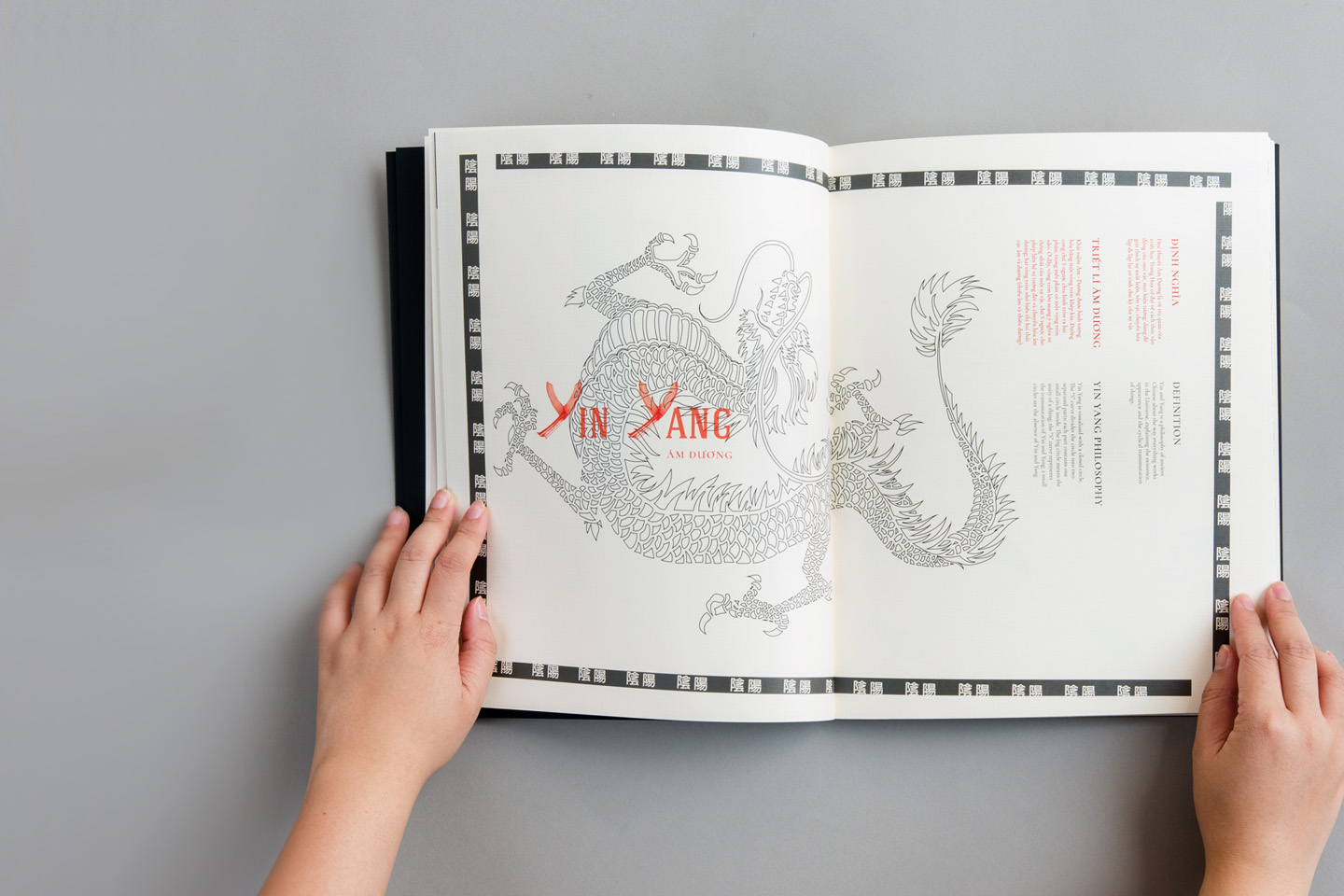
Print is not dead – in this project, students had the opportunity to explore the book as a medium that offers multiple design possibilities, satisfying human needs while nourishing several of our senses. A medium that can provide an unparalleled immersive experience. In addition, students were tasked with developing a concept for how a publication could be enriched or enhanced using digital technology, such as augmented reality. The students took the opportunity to explore the medium and – by freely choosing their topic – themselves: their origins and cultural backgrounds, ideas they hold dear, messages and experiences they want to share. Storytelling was an important part of the curriculum and some had their first experience as an author, illustrator or both in this project. A pile of books presented after the first course in January 2017 How to „go green“, live a more sustainable live, why not getting inspirations from ants? Giang Nguyen Ha gave a lot of recommendations and showed for example how to make your own paper from trash (January 2018). Using her grandfather’s poems, Le Hoang Huong Nhi shows how to live a life to fullest, even in your late years: „Loving the salt & pepper life“. „The method of Heaven & Earth to restore lost Qi“ is an inspiration for young people to mind traditional medicine. More images of Ta Quang Huy‘s book can be found on his Behance profile Thinking about enhancing a printed matter with digital technology, Tran Nu Hoang Kim developed an Augmented Reality App showcasing mythical creatures of Native American culture for her book: „The realms of spirit“. „Superstrings to the rescue“ is a scientific art book about string theory, a contemporary idea in theoretical physics. The book becomes Nguyen Ngoc Tuong Minh‘s personal aesthetic translation of the string theory language. About the courseStudents learned not only in the classroom, but also through various activities, field trips, exhibition visits, or in the library. I worked with Clare O’Dwyer, the director of the Beanland Library on campus, to develop a Book Award that could be won each semester, paired with an exhibit in the library. In addition, the books of the award winners were added to the library’s collection. I invited Long Dang, the founder of the Saigon Art Book project, and Giang Nguyen Hung, the designer of the latest book, to talk about contemporary Vietnamese book design. We took field trips to an offset printing company and to the Type Directors Club exhibition organised by the German Goethe-Institut in Ho Chi Minh City. Visiting an offset printing house Type Directors Club exhibition, organised by the Goethe Institute More examples of student work: Course: ProjectContribution: Idea, course design, teachingProgram: Bachelor of Design (Digital Media) University: School of Communication & Design, RMIT VietnamYear: 2016 – 2018

Teaching: Interactive Media
From basics in programming to information architecture, from creating a navigation concept to basics in user experience design, from responsive web design to mobile applications. At RMIT Vietnam, two sequential modules provided a broad overview of key topics in interactive media and user experience design. A mobile application called “chefipy” is helping to solve the problem of food waste (posters, mock up, wireframes and stills from a presentation movie for the cooking app) from Anh Dang Ngoc Huy, Kiet Pham Tuan, Huynh Nguyen, Toàn Minh and Tran Nguyen Ngoc Responsive City Guide about Saigon from Anh Dang Ngoc Huy , Kiet Pham Tuan, Huynh Nguyen, Toàn Minh and Tran Nguyen Ngoc Responsive City Guide about Kyoto from Hai Phan Thanh DADA inspired basic programming exercises from Hoan Tran Khai Anh Dang Ngoc Huy Nhi Tran Thuy Y Course: Interactive Media 1 & 2Contrubution: course design, teachingProgram: Bachelor of Design (Digital Media)University: School of Communication & Design, RMIT VietnamYear: 2016 – 2018
Teaching: Typography
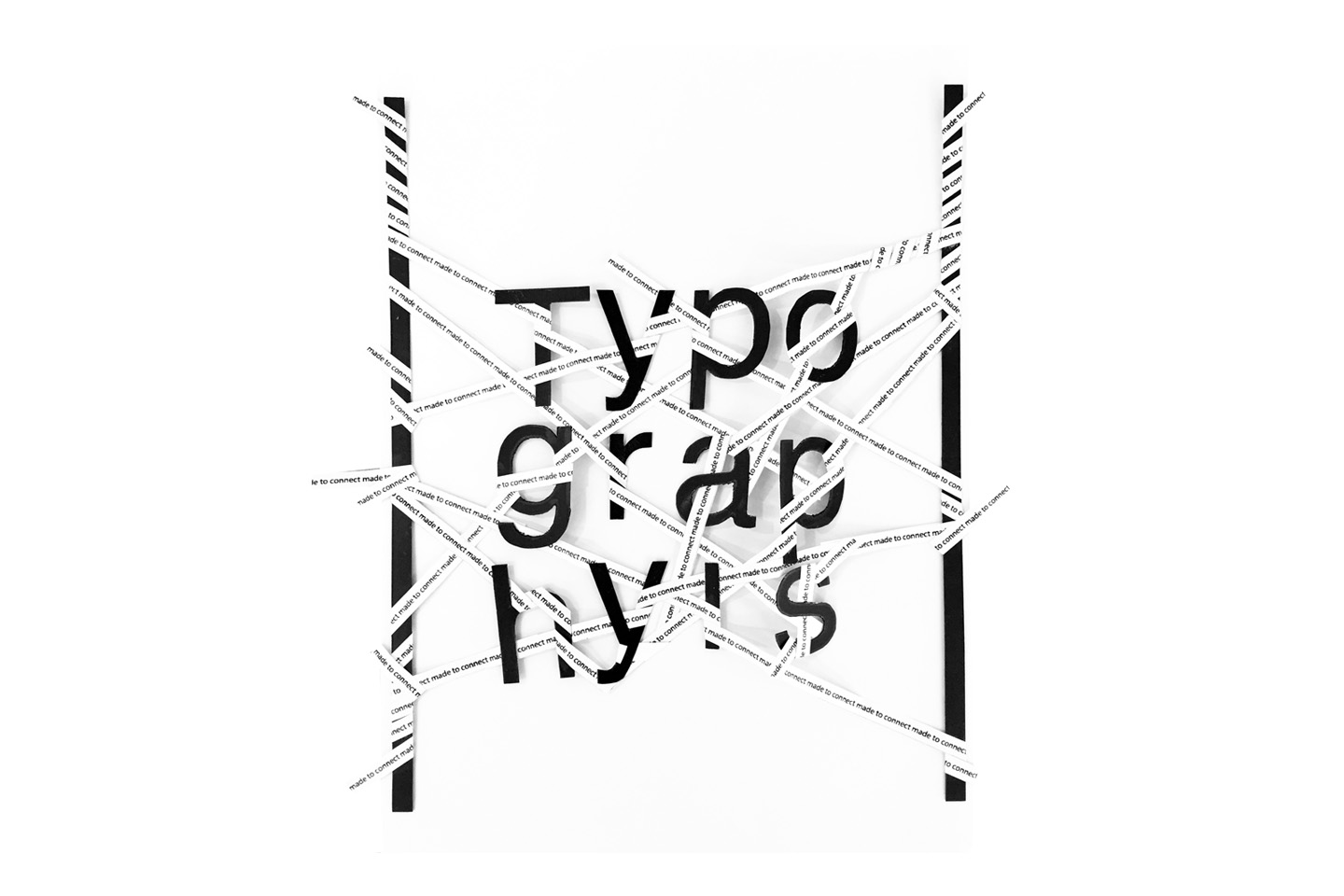
How do basic letterforms differ? What relationships arise, depending on their position in two-dimensional space? How can we promote and prevent legibility? How do “construction and deconstruction” affect basic letterforms? – These were simple research questions the students, began to work on in my typography class at RMIT Vietnam. By hand and on paper. Within the second step, they used the results in their digital work to convey a strong message in a poster series. The topics were free to choose: human rights, social issues, health, environmental protection, … Nguyen Chanh Minh’s interactive poster series is visualising recommendations of the “Ministry of Social Wellbeing”, but not without questioning them by adding a second layer that can be revealed on pressing a button. Nguyen Thai Ha reminds us that we are responsible for saving endangered animals. Le Hoang Minh Nhat introduces three attractions from his hometown in the Mekong Delta, using what he has identified as „Vietnamese Style“. Tran Hanh Vy about confidence Nguyen Ngoc Tra My about drug addiction Hand made typography labThe students worked with basic letterforms printed on paper, to explore their shape, relationships and experiment. The exercises built upon each other and each student submitted a second set of posters made by hand. Exemplary results from different students. Course: TypographyContribution: Course design, teachingProgram: Bachelor of Design (Digital Media)University: School of Communication & Design, RMIT VietnamYear: 2017

IGS, Hcmc
The International German School Ho Chi Minh City (IGS) is an inter-cultural place of learning and is open to children of all nationalities – this is the new positioning with which the IGS now presents itself on the market. Project: positioning, branding, website, eventsContribution: Concept, design, creative directionClient: International German School, Ho Chi Minh City, VietnamYear: 2015